Engraving Machines Direct
Your one-stop-shop for ALL of your laser engraving needs!
Scroll down and follow our quick 3-step process to determine which type of laser engraver machine is right for you.
In the market for an engraving machine?
You are just minutes away from finding the right match!
Our unique system provides all the details you need to help you make an informed decision on your own.

Take Survey & Save Time
Let our 10 years of experience work for you. After filling out the survey, our experts will get to work assisting you in choosing the right machine.

Receive Detailed Price Quote
We’ll provide you with all the in-depth details and pricing information needed to get started immediately.

Unlimited Training & Support
Leave the heavy manual reading to us. We’ll teach you how to use your new machine and provide on-demand support.
Ready to get started?
Enter your email below to start the survey.
Our experts will respond quickly with an information and pricing breakdown to keep your purchasing journey on track.
Rather speak with someone?
We understand. Our team is happy to speak with you and help you find the perfect laser engraver!
1-786-363-9973
Follow the 3 easy steps below to help you gather the information needed for the survey!
STEP 1
APPLICATION TYPES
First, let’s get some information about your application.
Answering the series of questions below will help you better understand the machine specifications you’ll need to achieve your desired outcome.
From there, we can help you determine the best fit machine for your needs.

Application
What types of items do you intend to engrave?
What materials are they made of?
Make a prioritized list of the materials and quantities you’ll be producing.
Shape & Size
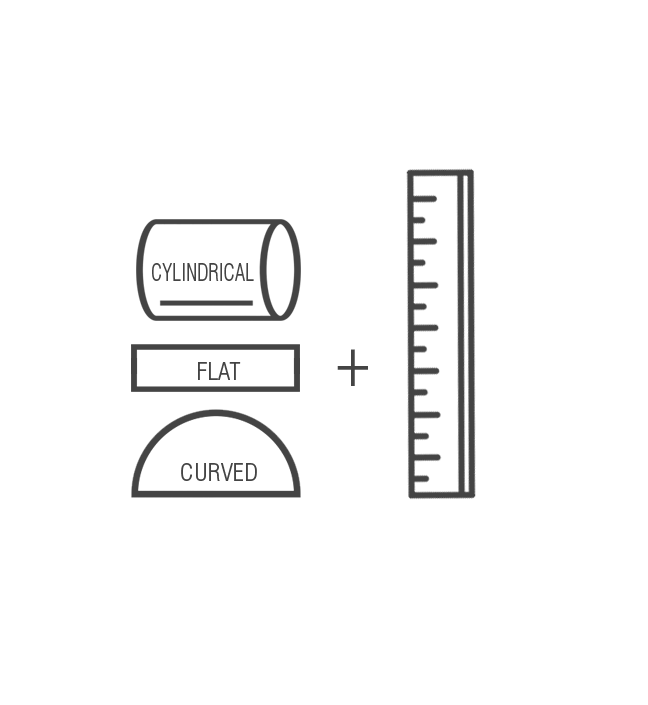
What are the dimensions of the smallest and largest items you would like to engrave?
What about thicknesses and diameter?
Is the area you wish to engrave flat or is it a part of a curve or cylinder?

Throughput
How many pieces do you foresee having to engrave in a given day, week or month?
You don’t have to know the exact amounts, but a rough estimate will help ensure you choose an engraving machine with adequate speed and a duty cycle to match your projected output.
Materials You Can Laser Engrave

Acrylic

Metal

Glass

Stone

Rubber

Paper

Wood

Textile

Plastic

Ceramic

Leather

Food
Type of Mark You Want to Achieve
Engraving
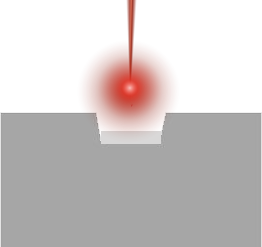
The process of removing material by melting and evaporating the surface, leaving a depression behind. Higher engraving temperatures produce a darker, more charred groove in the material.
Etching
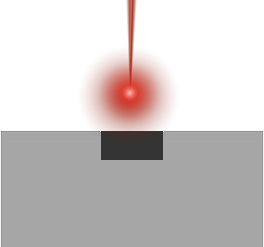
Annealing
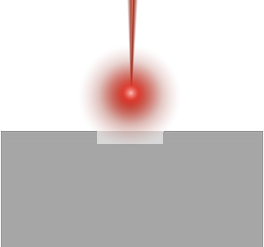
A more subtle heating process by which carbon rises to the surface of the metal without causing it to melt. The result is a smooth marking that varies in color depending on the applied temperature.
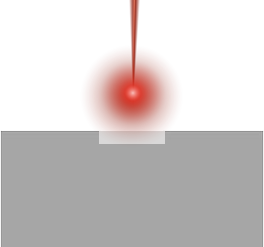
Frosting
A surface marking technique achieved by moving the laser engraver at high speeds, keeping surface penetration at a minimum. The result is a bright, almost white mark with a slight texturing effect.
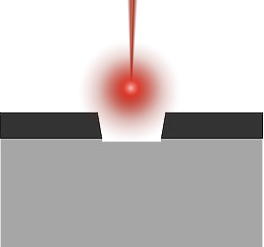
Ablating
Involves high-speed removal of the surface layer of a coated material, such as burning the anodized layer off of an aluminum tumbler. The result is a relatively smooth surface with noticeable contrast and minimal surface penetration.
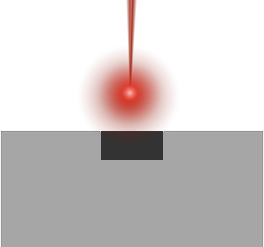
Discoloring
A gentle laser process where the surface of a plastic is heated, resulting in a color change via the dissociation of molecules. The surface of the material remains smooth and virtually undamaged.
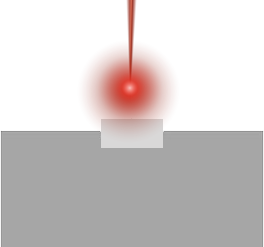
Foaming
A controlled melting of plastic in which gas bubbles form. As the surface properties change, the mark takes on a lighter color. Once cooled, the bubbles are securely embedded into the plastic.
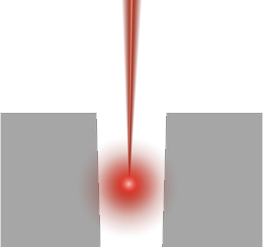
Cutting
The process of blowing molten metal to create an indentation in both organic and metal materials. Results produce clean cut edges that require no finishing.
Additional Specifications
Wattage
Wattage directly affects the speed and depth of the laser engraving and cutting process. Use the following estimates as a guide to what you’ll need based on project type:
CO2 Lasers:
- Basic Engraving: 40W
- Cutting Organic Materials: 100-150W
- Cutting and Engraving Projects: 80W
Fiber Lasers:
- Metal Marking: 20-30W
- Thin Metal Marking/Cutting: 50W-100W

Cooling & Venting
CO2 lasers come equipped with glass tubes, which require a water chiller to continuously circulate liquid through internal components. Pairing your CO2 laser engraver with an adequate chiller ensures power output consistency and prevents overheating.
Fiber lasers are much more efficient, allowing for simple air cooling via integrated exhaust fans. Since fumes are a byproduct, an exhaust system is required to either port toxic vapors away or into a stand-alone filtration cabinet.
Both proper cooling and venting are essential components of laser engravers and laser cutters.

Optics
Raw energy from a laser tube must be directed to a concentrated spot. This works similar to the act of holding a magnifying glass up to the sun.
In CO2 laser engravers, various lens sizes create different beam styles. For example, a 1.5 inch lens is excellent for engraving and achieving fine details but produces a short focal depth.
For cutting applications, a 2.5 to 4 inch lens provides a longer focal depth but reduces beam density. The same is true for galvo fiber lasers.
Going from a smaller to larger lens increases the work area, but compromises the spot size and intensity of the beam.
STEP 2
MACHINE TYPES
Next, let’s acquaint you with the best options for engraving machines.
Before making a purchase, it’s best to compare which engraving method and model best fits your needs.
Shopping for an engraving machine is a bit different from most products. Be sure to read through the specifications for each.
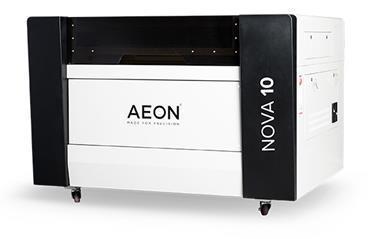
CO2 Laser Engravers & Cutters
The most common type of machine available. The process works by exciting the molecules of a carbon dioxide gas mixture to produce a narrow beam intense enough to vaporize portions of non-metal materials. Wide-format options, such as those used for processing large sheet stock, are also available.
Read More
Advantages:
- Cutting is possible on very large or small pieces of material due to its narrow beam.
- Significantly reduces scrap waste.
- Produces a smoother finish than non-laser alternatives.
Factors to Consider:
- Significantly higher power demand than fiber laser options, resulting in a higher operation costs.
- Increased hazard potential from the powerful beam includes the possibility of fires and generation of hazardous and/or irritating fumes.
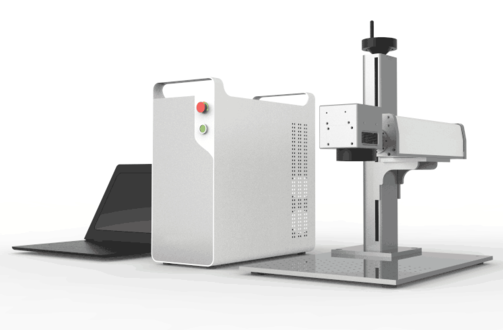
Galvo Fiber Laser Markers
Fiber lasers use fiber optics, which use LED-stimulated ytterbium to generate and deliver focused laser beams to both metal and non-metal materials.
Read More
Advantages:
- Uses up to 50% less power than CO2 lasers and has a longer product lifespan.
- Engrave on a wide variety of materials, including uncoated metals.
- Markings on metal require no special sprays or pretreatments, speeding up the production process.
Factors to Consider:
- The marking area is narrow, allowing only inches of covered space.
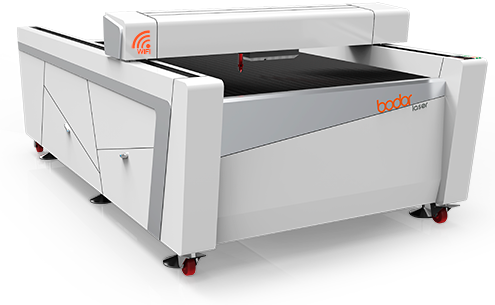
Wide Format CO2 Laser Cutters
When larger surface areas are desired, a wide format CO2 laser is the weapon of choice. Identical in functionality to the enclosed CO2 lasers mentioned above, the open architecture of a wide format laser engraver not only increases the marking/cutting area but also makes it easier to load and unload material.
Read More
Sizes can range from 48″ x 96″ to a whopping 80″ x 120″! Systems of this magnitude are ideal for processing large sheet stock, such as those found in sign shops or fabrication facilities.
The textile industry is also a common place for wide format CO2 laser cutters, where the beds feature special feeding systems to facilitate the loading of fabrics and other materials of the like.
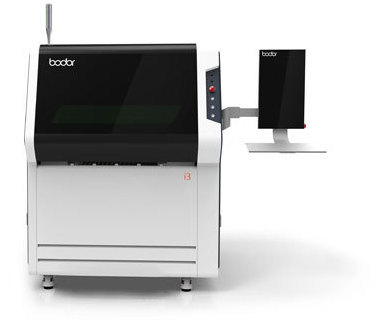
Fiber Laser Cutters
Companies looking to cut metal in frequent, high quantities would benefit from investing in fiber laser technology. Both versatile and powerful, CO2 lasers just can’t match the cutting scope and power of these devices.
Wide-format fiber lasers deliver massive amounts of power for large scale, high-volume projects, such as cutting pipes, or thick sheets of metal.
Read More
Advantages:
- Cuts metal quickly and easily while requiring less energy consumption than traditional laser cutting machines.
- Units are easily upgradeable to include full safety enclosures and attachments for more complicated material cutting.
Factors to Consider:
- Considered top of the line – and will cost accordingly. A significant financial investment.
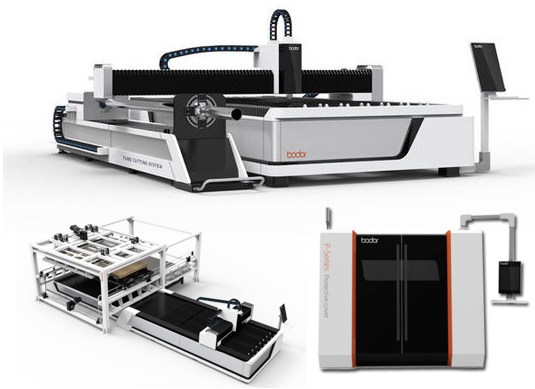
Industrial Fiber Laser Cutters
At the top of the totem pole, these monstrous 60″ x 120″ fiber laser cutters are a fabricators dream.
When high levels of metal fabrication are on the menu, you can’t go wrong with pumping several thousand watts through a sophisticated fiber laser like this one pictured.
Read More
Not only can these wide format fiber lasers cut through metal quickly and without a fuss, they can also be supplements with several other goodies. For example, an exchange platform allows a separate engraving bed to be loaded while the laser is in operation.
This can be done manually or even via the aid of an automatic loader (bottom left). Furthermore, an auxiliary rotary chuck can expand this Fiber laser from cutting flat items to cutting pipes and other cylindrical objects.
Lastly, the complete unit can be fully enclosed, bringing that added level of safety every corporation desires (bottom right). Make no mistake about it; this is the Rolls Royce of lasers, perfect for any industrial application.
STEP 3
SURVEY
Lastly, fill out the Equipment Fitment Guide survey.
Based on your responses, the E.F.G. will create a detailed information and pricing package that meets your unique needs. Results will be delivered by email.
One of our experts will contact you shortly after and help you choose the right machine.
In just a few hours you’ll have answers to all your questions, saved a ton of time and will feel 100% confident about making an informed decision.
Additional Aspects to Consider
Our EFG will also help you consider many other aspects that are often overlooked when purchasing your machine.

Ease of Use

Safety Precautions

PC & Electrical Requirements

Machine Workspace
Leadtime

Financing & Tax Incentives

Start Up Training

After Sale Support
Warranty & Maintenance

Return Policy
Get started today and gain instant access to your free Equipment Fitment Guide. You’ll be relieved you did… and so will your business.
Reviews
We’ve helped so many others in your situation
Our proof is at your fingertips, with hundreds of 5 star reviews and a list of satisfied customers you are sure to recognize.
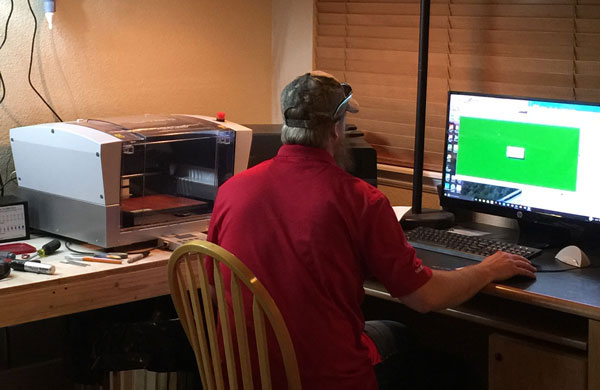

Kevin Feldman
EZ Engraving – Brighton, CO
“The EGX-350 is a fantastic machine. It’s user friendly and does a great job creating almost any type of engraved item you could think of. David Simm is a great help when it comes to this machine and its software. He is very knowledgeable and will help you out with anything!”
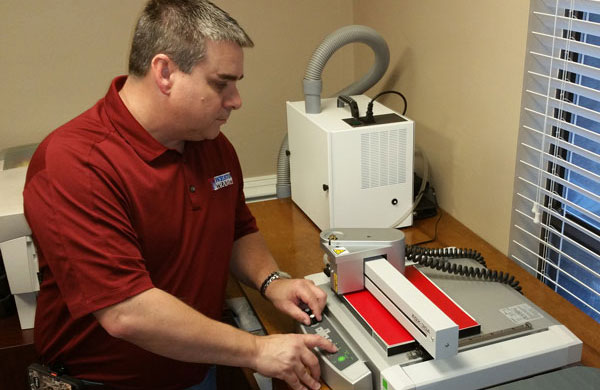
Sam Pate
Weston Trawick – Tallahassee, FL
“Love the EGX-30A and the excellent training from the support staff. David was very helpful throughout the process. I recommend the product and the company.”
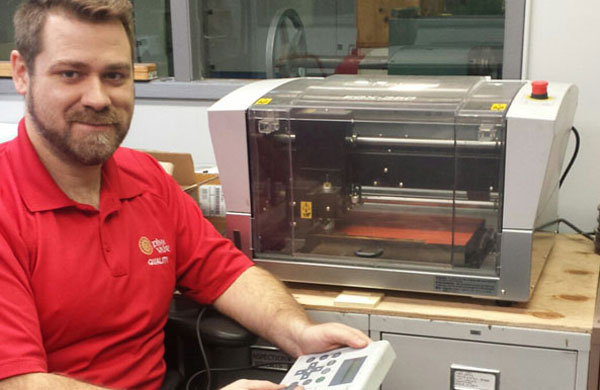
Aaron Machuga
Pima Valve – Chandler, AZ
“The machine was very simple to set up. David at Engraving Machines Direct was able to give me templates to begin using right away, and was able to easily train me to make more. Honestly, I’m almost concerned that this is too easy.”
Wayne Staniford
Battle Brew Coffee Co. – Condon, OR
“I considered purchasing a used engraver from Ebay or others, but happy I did not. The support from this company is stellar and David even spent an hour with me helping me learn important aspects of this great printer. You can purchase an engraver from many places, but for fast and friendly service come here!”
Ron White
Johnson & Johnson Vision Care – Jacksonville, FL
“Outstanding support. The on site training may be the best of that kind I have ever had. David took time to see what we were doing and tailored the training to fit. It was not a canned training where we reviewed things that were not applicable.”
Alex Nall
Solar Turbines – San Diego, CA
“The engraver purchased was a Roland EGX-350 and I will say it was a great asset to our maintenance dept. Making labels for our electrical cabinets and machine use #’s just got alot easier. No more trying to figure out what someone wrote in pen. Now we engrave a nice clear permanent label. David was able to answer any questions and provide support. Almost didn’t even need to call, the machine was so easy to set up!”